
Greening the Concrete Jungle
An in-depth look at urban gardening trends and how they are transforming city living.
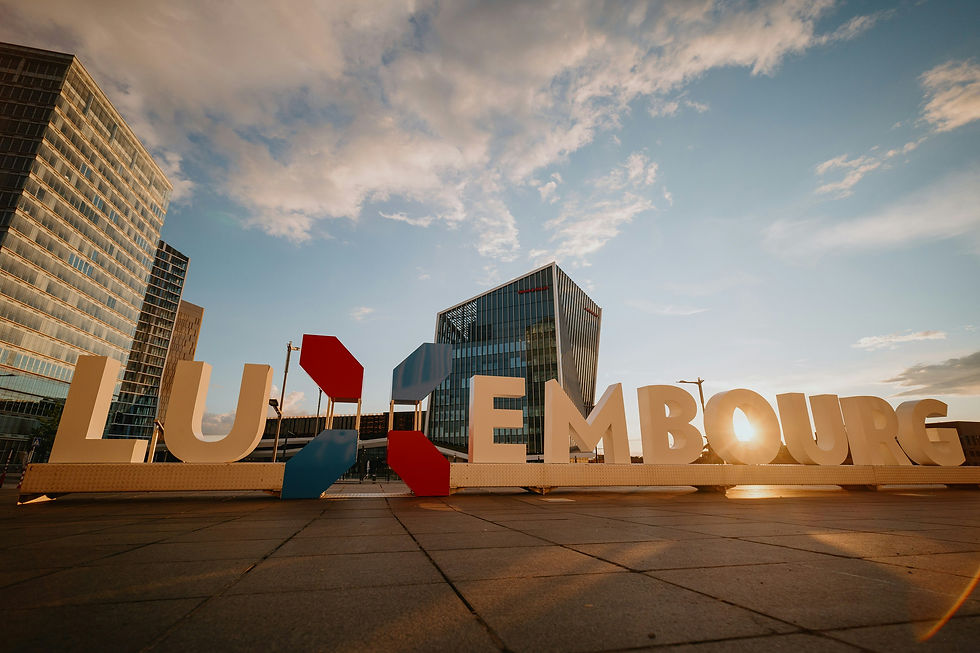
Cities cover a small fraction of the planet's surface but concentrate most of its people, buildings and emissions. That density is an advantage as well as a problem, and a growing body of work is showing how much can be achieved by putting green space back into places that were designed without it.
More Than Decoration
Street trees, green roofs, pocket parks and planted facades are often treated as beautification projects, but their measurable effects are practical. Vegetation lowers surface temperatures during heatwaves, absorbs stormwater that would otherwise overwhelm drainage systems, filters particulate matter from traffic, and dampens noise. In dense districts, a well-placed canopy can reduce peak street-level temperature by several degrees, which translates directly into lower cooling demand for the buildings around it.
From Pilot Projects to Policy
The pattern in most cities has been the same: a handful of demonstration projects, strong public response, and then the slow work of turning enthusiasm into standards. Cities that have made real progress tend to have done three things. They set numeric targets for canopy cover or permeable surface rather than aspirational language. They wrote green requirements into planning approval so that every new development contributes. And they funded long-term maintenance, which is where most early schemes quietly failed.
The Role of Buildings
Property owners have more influence here than they usually assume. Rooftops and courtyards represent a large stock of underused surface, and retrofitting them is often cheaper than the energy savings and stormwater charges avoided over a building's remaining life. Tenants increasingly value access to outdoor space, and certification schemes now reward it. For developers working across markets, green provision is becoming a competitive feature rather than a compliance cost.
Designing for the Long Term
The most durable urban greening is unglamorous and local: species chosen for the climate the city will have in thirty years rather than the one it had thirty years ago, soil volumes generous enough for trees to reach maturity, and community involvement so that planting survives its first dry summer. Greening the concrete jungle is less a single intervention than a long maintenance habit, and the cities that understand this are the ones whose projects are still standing a decade later.
Urban Gardening, Sustainability